
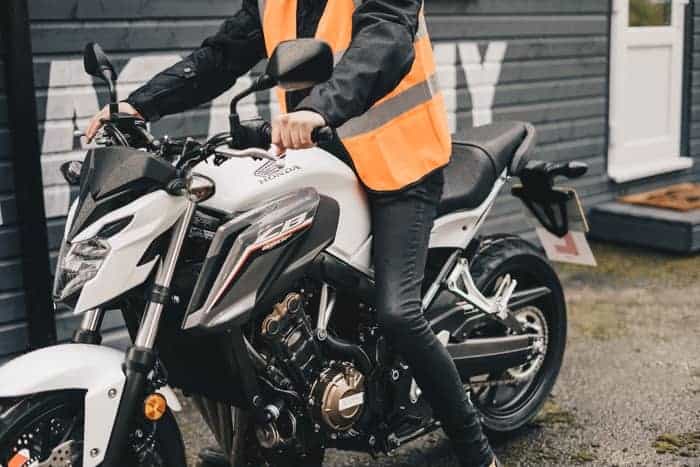
Buying a motorcycle can be an exciting time. A lot of people resort to buying a used motorcycle because they’re much cheaper than buying them brand new or buying one at a dealership. Thousands of people buy a used motorcycle every day.
It can be a little bit scary though, especially if you plan on buying a motorcycle from a private seller. Some people out there want to scam you. I have bought and sold almost twenty motorcycles in the last few years and have a pretty good idea about how the process works and what to look for. This guide can help you through your buying process and help prevent any frustrations you could potentially run into when buying a used motorcycle from a private seller.
Contents
Finding What You Want
First and foremost, the number one thing you need to do when deciding to buy a used motorcycle from a private seller is knowing what kind of motorcycle you’d like to buy. Some people are very specific about the make and model they want to buy while others are a little more flexible.
Know the specific specs you want on the motorcycle you’re going to get; this will help you be prepared in knowing what to ask the seller so you know you’re getting exactly what you want.
Understand Your Own Expertise
There are a lot of different reasons people will get a motorcycle. Most get them to enjoy and ride at their convenience. Some are looking for a little bit of a project so they can fix it up how they’d like. Or, if you’re like me, you are maybe interested in buying a project motorcycle so you can flip it and pocket some money (see my article here about how to flip a motorcycle for a profit).
Whatever the case may be, you’ll need to understand your expertise in the matter. If you’re looking for something that’s road ready and doesn’t need work, you don’t need much of a mechanical background since you won’t be fixing anything.
However, if you’re looking for something that needs a little work, understanding your abilities to fix those issues is important. It’s incredibly frustrating getting a motorcycle thinking you know how to fix the problems only to find you’re way over your head. I’ve been there.
Make a conscious effort to think about, or maybe even write down, a list of issues you are willing and unwilling to fix on a motorcycle. Do some research on how much some basic repairs will cost. It’s also a good idea to do some research about the specific motorcycle you want to get and understand common issues it may have.
I have created an entire video series about restoring motorcycles. Within the series are tips and tricks you won’t find anywhere else online as well as in-depth videos of hard to tackle components such as motorcycle body work, carb rebuilds, and electrical. Click here for more information if you’re interested in restoring or building your dream motorcycle!
Check Several Platforms
Once you’ve decided what kind of motorcycle you’d like to get, check several platforms for motorcycles that are for sale. This includes anything online, paper ads, or simply keeping your eyes open for motorcycles with “for sale” signs that are on common roads you drive on.
You may find that one type of platform may not have any listings of the type of motorcycle you want while another has plenty to choose from. Nowadays online platforms are becoming more and more popular as society is revolving more around the internet.
Some of my favorite places to look for motorcycles for sale online include Craigslist, Facebook Marketplace, Cycletrader, and Ebay. I have bought motorcycles from each of these platforms and it worked out great. Note: when using Ebay, be sure to find motorcycles that are near you. You should never buy a motorcycle unseen. Don’t forget to look at local online platforms that are popular in your area.
Know How Much The Motorcycle Is Worth
An important part of buying a used motorcycle from a private seller is knowing how much the motorcycle you want is worth. If you’re planning on paying cash, there’s nothing stopping you from overpaying the seller except your own knowledge.
A reliable resource I like to use any time I’m about to buy a used motorcycle is doing a quick search on NADA Guides. This platform considers the make, model, and year of the specific motorcycles you’re looking into getting as well as the area you’re looking to buy (which actually does have a huge impact on the price). The prices they give are usually pretty accurate.
Another great way to know how much you should be paying for a used motorcycle is looking at and comparing prices of others selling the same motorcycle. This can usually indicate the average price they’re selling at so you can know if you’re looking into one that’s priced too high.
There are a few exceptions you should consider. NADA Guides are great to abide by, but there are occasional characteristics of motorcycles that slip through the cracks when this platform calculates it’s worth. A certain motorcycle may have some sort of customization that makes it worth more or there may be something rare about the motorcycle that should increase the price.
For example, I had a 1969 Triumph TR25W Trophy. I had completely restored it to perfection. The NADA Guides states that it’s worth $3,870 in excellent condition. However, these motorcycles are pretty hard to come by because there were only a few of them made. I ended up selling it for $5,000 easily within a day after posting it for sale because people knew the rarity of the bike.
How You’re Going To Pay
Now is the time to take a few minutes to consider how you’re planning on paying for your used motorcycle. The ideal way to pay for one is with cash because it makes the transaction a lot less complicated and run much more smooth.
However, it’s still completely possible to purchase a used motorcycle from a private seller using a loan. And there are actually a lot of perks that can come with doing this.
If you’re planning on using a loan, you’ll first need to inform your bank that you intend to buy a motorcycle so you can get preapproved first. This will save you a lot of time. You’ll need to tell the bank the type of motorcycle you’re thinking about getting so they can give you specific things to look for while you’re out looking (mileage limits, year, etc.).
Once you find the motorcycle you want to buy, you’ll need to inform the seller you’re using a loan and have them meet you at your bank to complete the transaction. You’ll fill out some paperwork and the seller will hand the title over to the bank (or if they also had a lien on it, their bank will transfer the title over to your bank). Once the paperwork is all filled out, the bank will hand over a check directly to the seller and the motorcycle is now yours.
The additional perks that come with using a loan to buy a used motorcycle includes the bank performing additional VIN checks. If the seller is up to any mischief, the bank will likely catch it for you. They do their homework because they don’t want to invest in something that’s going to cause them trouble.
Contacting The Seller
Once you’ve found a used motorcycle you’re interested in enough to go and look at it, you’ll need to contact the seller to schedule a time to see it. This is an obvious step in the process, but there are a few things you should consider when scheduling an appointment.
When you schedule a time to see the motorcycle, make sure you aren’t confined to a small window of time to see it (meaning don’t go during your lunch break). You’ll want to give yourself as much time as you need to look at the motorcycle so you don’t feel pressured to make a quick decision because of a time crunch.
When scheduling an appointment with the seller, try to meet at their place of residence if possible. Some sellers are wary about giving out their address to strangers which is okay, but if they’re willing to meet at their place then take advantage of that. This will indicate a less likelihood of the seller trying to perform any scam.
Make sure to request the seller to not start or warm up the motorcycle before you get there. You’ll want to see and test the motorcycle when it’s cold and see how it acts when you try to start it. A good way to test if the seller had started it before you got there is feeling the exhaust pipes.
If it clearly wasn’t in the sun previously and the pipes are warm or hot, ask the seller if they started the bike. It’s a possible red flag if they deny starting it; they may have started it to hide some mechanical issue they didn’t want you to see.
Lastly, be courteous when scheduling your appointment with the seller. They have a schedule, too, so you’ll need to work around free time that you both have. Promptly respond to their messages if you are emailing or texting them.
What To Look For On The Motorcycle
Now that you’ve contacted the seller and scheduled a time to actually see the used motorcycle you’re interested in buying, be ready to look at some specific things on the motorcycle itself. Again, it’s all up to you what you’re willing to deal with when it comes to the mechanical issues on the motorcycle. There’s no fine line between whether or not it’s a good buy, it all depends on you and your situation.
Before starting the motorcycle, you’ll need to look at several things. First, observe the ground below the motorcycle. Are there any wet spots from the motorcycle leaking somewhere? Also ask the seller where they normally store the motorcycle and request to see where that’s at; this way you’ll be able to see any leaks on the ground in that location.
You should also look for signs of the motorcycle being tipped over. Such signs include scratched or dented side panels, a dented or scratched tank, bent foot pegs, crankcase damage, bent or broken engine fins, bent handle bars or accompanying accessories, and/or any other scratches anywhere that are of notable size.
A motorcycle getting tipped over doesn’t necessarily mean you should automatically reject it. A lot of used motorcycles will have been tipped over at some point, especially older ones. It’s important you know what damage has been done from the tip and the severity of it. If there are several of these damages that are severe, it might indicate a bad accident which might be something you’d want to stay away from.
Next, you’ll want to roll the motorcycle and see how it reacts. While it’s still turned off, put the motorcycle in neutral and roll it back and forth. An easy roll is a good sign. Click down into first gear; if it still rolls without pulling the clutch handle then you have a clutch or transmission issue.
Also inspect the tires while you’re rolling it. Are they rolling straight or is there a wobble at all? A wobble could indicate a hard collision. Also notice the condition of the tires themselves and whether or not they have any bald spots or cracking.
When starting the motorcycle, take a few minutes to inspect it before actually taking it for a ride. Notice how easy or difficult it is to start it in the first place. When it does start, take note of how it idles and whether or not it’s revving high or sputtering.
Also pay attention to the sound of the engine and any noise it could be making (a knocking sound could indicate some major issues). Notice any smoking, leaking, or backfiring that may be occurring (all signs of carburetor or engine issues).
Next, you’ll want to take the motorcycle for a ride. Some sellers may be wary of letting a stranger ride their motorcycle. But at the same time, you need to know what you’re getting yourself into and taking it for a ride can really help you understand how the bike functions.
If the seller is hesitant to letting you ride it, try negotiating and helping them feel more comfortable with the situation. You may let them take a picture of your license or let them follow you in their car.
If the seller absolutely refuses to let you ride the motorcycle for no apparent reason, you may want to look elsewhere for your used motorcycle (unless you’re buying a project bike that isn’t ride-able). The seller could be hiding something they don’t want you to see.
Once you’re out on your ride, pay attention to the suspension on the motorcycle. Does it smoothly ride over bumps or is it uncomfortable and stiff? Test the brakes and make sure they work correctly. Notice if the motorcycle is wobbling at all and if the alignment is off (the front tire should be at 90 degrees compared to the handlebars). Continue to listen to any abnormal sounds coming from the engine or exhaust and notice how well the acceleration works.
Checking all of these things when buying a used motorcycle from a private seller can be a little bit overwhelming. You can download and print my free PDF checklist here that makes this process much easier to remember.